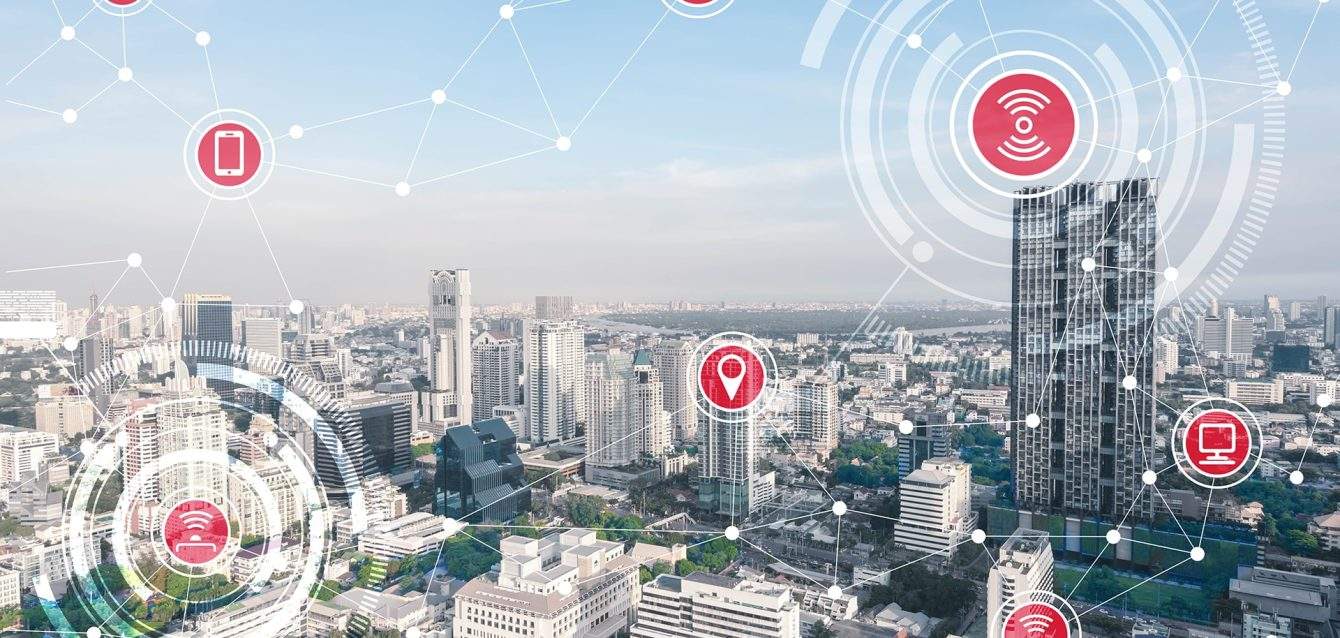
The growing demand for smart, connected, and energy-efficient buildings has accelerated the adoption of wireless communication technologies. Among them, LoRaWAN stands out as a reliable and cost-effective solution for building automation, particularly for large facilities and existing buildings where traditional cabling is challenging.
What Is LoRaWAN?
LoRaWAN (Long Range Wide Area Network) is a low-power wireless communication protocol designed for IoT applications. It enables secure data transmission over long distances while consuming very little energy, making it ideal for battery-powered sensors used in building automation.
Why LoRaWAN Is Ideal for Buildings
LoRaWAN addresses many challenges faced in modern buildings:
- Aging HVAC systems operating beyond optimal efficiency
- Lack of real-time energy monitoring
- Manual controls and fragmented systems
- Poor coordination between lighting, HVAC, and occupancy
These advantages make LoRaWAN especially suitable for retrofitting existing buildings.
LoRaWAN and Building Management Systems
LoRaWAN complements traditional building automation protocols such as BACnet and Modbus. While these protocols manage real-time control, LoRaWAN excels in low-data-rate monitoring and non-critical control, seamlessly integrating into modern BMS and AI platforms.
Key Benefits
- Reduced deployment and maintenance costs
- Faster installation with minimal disruption
- Reliable performance in complex building structures
- Long sensor battery life
- Easy scalability for future expansion
Conclusion
LoRaWAN is transforming building automation by enabling flexible, scalable, and energy-efficient connectivity. By integrating LoRaWAN with intelligent building management systems, building owners can unlock deeper insights, optimize operations, and create smarter, future-ready buildings.