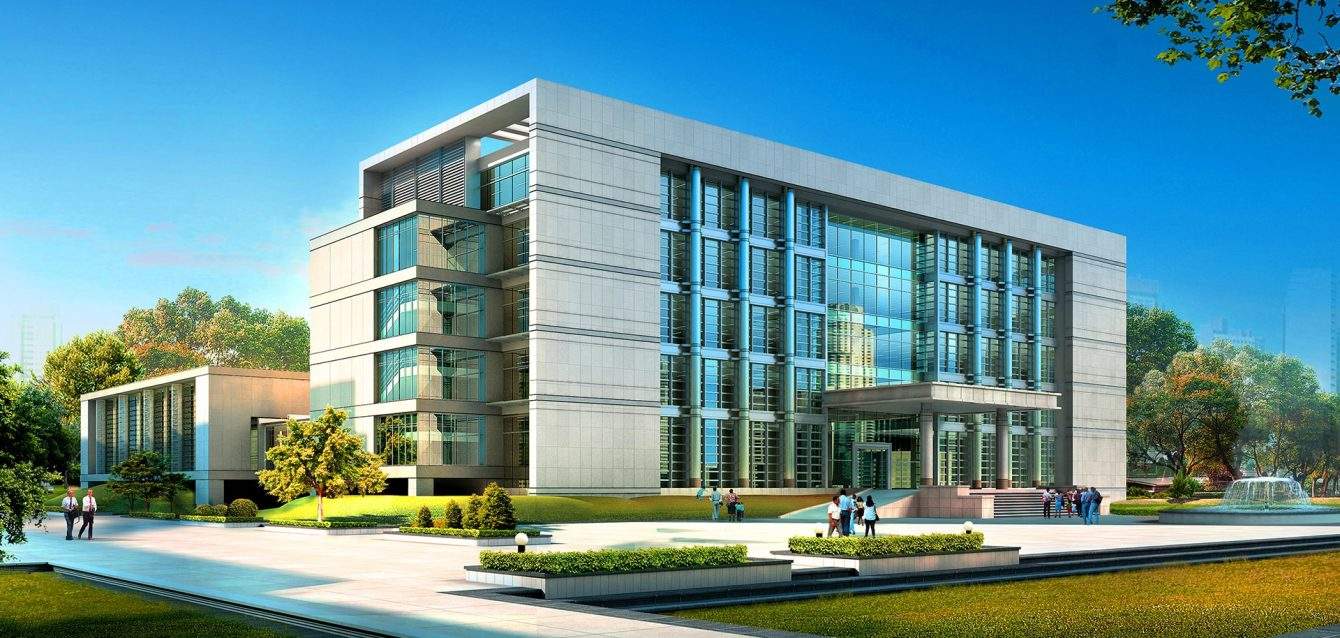
As energy costs rise and sustainability becomes a global priority, optimizing energy use in existing buildings has never been more important. While new constructions often incorporate advanced energy-efficient designs, older buildings hold the greatest potential for energy savings through smart upgrades and intelligent management systems.
Why Energy Optimization Matters
Existing buildings consume a significant portion of global energy, largely due to outdated equipment, inefficient controls, and poor visibility into energy usage. Energy optimization helps reduce operational costs, improve occupant comfort, extend equipment life, and lower carbon emissions—without the need for major structural changes.
Key Challenges in Existing Buildings
Many buildings face common issues such as:
- Aging HVAC systems operating beyond optimal efficiency
- Lack of real-time energy monitoring
- Manual controls and fragmented systems
- Poor coordination between lighting, HVAC, and occupancy
These challenges often lead to energy waste and higher maintenance costs.
Benefits of Optimizing Existing Buildings
- Lower energy costs through reduced consumption
- Improved occupant comfort and productivity
- Extended lifespan of building equipment
- Reduced carbon footprint and compliance with sustainability goals
- Quick return on investment compared to full system replacement
The Path Forward
Energy optimization in existing buildings is no longer optional—it is a strategic investment. By leveraging AI, IoT, and smart automation, building owners can transform aging infrastructure into efficient, sustainable, and future-ready assets.
Optimizing energy today not only delivers immediate cost savings but also prepares buildings to meet tomorrow’s environmental and operational demands.